
Vein Treatments
Varithena
Varithena is a prescription foam medication (polidocanol) that is injected into a diseased vein to close it — a minimally invasive option that requires no heat and no catheter.
Procedure Overview
Understanding Varithena
Varithena is a ready-to-use, FDA-approved polidocanol foam administered through a single injection into the vein rather than prepared manually by the physician.
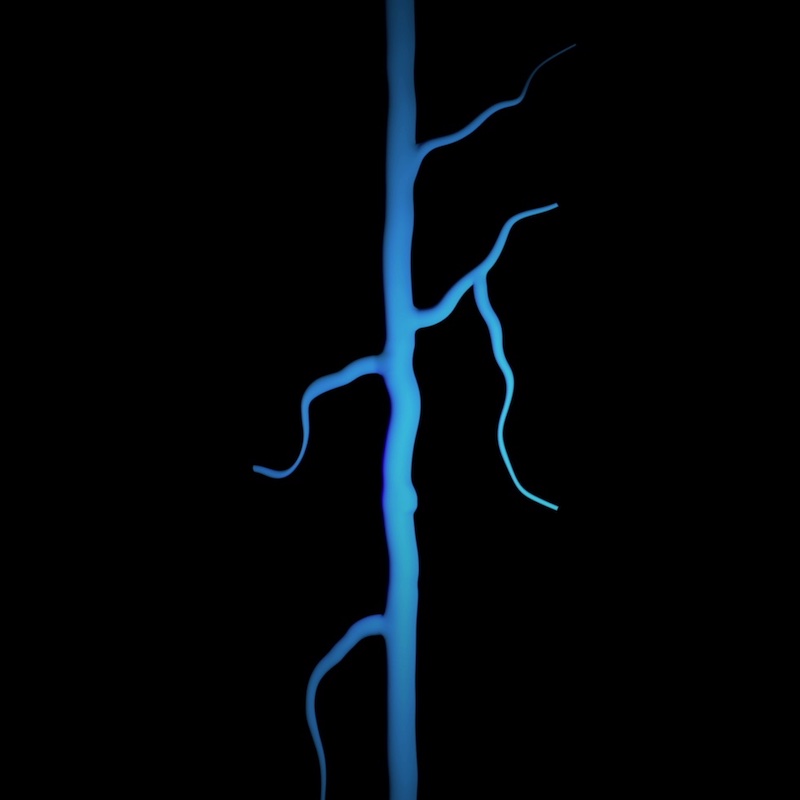
The foam displaces blood within the vein and damages the vein lining, causing the vein to seal shut. The foam makes contact with the vein wall more effectively than liquid alone, which is useful for tortuous (twisted) veins.
It can treat veins that are difficult to reach with a catheter, including tortuous or branching veins that would be challenging for thermal ablation.
Over the following weeks, the treated vein is absorbed by the body and blood reroutes through healthy veins.
Varithena may be used on its own or combined with other treatments depending on your ultrasound findings and the pattern of your vein disease.
Conditions Treated
What This Procedure Treats
- Varicose veins caused by saphenous vein reflux
- Incompetent veins that are tortuous or difficult to catheterize
- Persistent or recurrent varicose veins after prior treatment
- Branch varicose veins that remain after the main trunk is treated
Who May Be a Candidate
Candidates have duplex ultrasound evidence of vein reflux with symptoms or visible varicose veins. Varithena may be particularly suitable for patients who prefer to avoid heat-based procedures or whose vein anatomy makes catheter-based treatment difficult. Dr. Rayan will review your ultrasound findings to determine whether Varithena is appropriate.
The Procedure
How It Works
- 1
The vein is mapped with ultrasound and the injection site is selected.
- 2
A single needle is placed in the vein and the foam is injected under ultrasound guidance.
- 3
The foam spreads through the vein, and additional injections may be used for branch veins.
- 4
Ultrasound confirms the vein has closed, and you walk briefly before going home.
Preparation
Preparing for Your Procedure
- You will receive specific instructions about medications and your arrival time.
- Wear loose, comfortable clothing and bring your compression stockings if prescribed.
- Arrange a ride home if needed.
- Avoid lotions and oils on the treatment leg on the day of the procedure.
Anesthesia & Setting
Varithena is administered in an office or outpatient setting. No sedation is required, and you go home the same day.
Recovery
What to Expect Afterward
- Most patients return to normal activities the same day or the next day.
- Compression stockings may be recommended for a period after treatment.
- Walking is encouraged; strenuous exercise is usually limited briefly.
- A follow-up ultrasound confirms the vein has closed.
- Some bruising or tenderness along the treated vein is common and temporary.
Benefits
Potential Benefits
- No heat, no catheter, and no sedation
- Can treat tortuous veins that are hard to reach with a catheter
- Quick office procedure with a fast return to activities
- Treats the underlying cause of varicose veins
- Can be combined with other vein treatments
Risks
Risks & Complications
- Bruising or tenderness at the injection site
- Phlebitis-like inflammation along the treated vein
- Temporary visual disturbances (rare, typically brief)
- Deep vein thrombosis (rare)
- Allergic reaction (rare)
- Recurrence of varicose veins over time
Alternatives
Alternative Treatments
Alternatives include endovenous laser ablation, VenaSeal, sclerotherapy, and conservative management. Dr. Rayan will discuss which option best fits your anatomy and goals.
Follow-Up
Follow-Up Care
A follow-up duplex ultrasound is typically performed within the first weeks after treatment to confirm closure, with additional sessions planned if needed.
Insurance
Insurance Questions
Insurance coverage for Varithena varies by plan and may require prior authorization. Our office will help verify your specific benefits before scheduling.
FAQs
Frequently Asked Questions
Related Conditions
Medical content note: This page provides general educational information and is not individualized medical advice. Content is prepared for review by Dr. Rayan before clinical publication. If you have symptoms that concern you, please contact our office — and call 911 in an emergency.
Your Vascular Health Deserves Experienced, Personalized Care.
Take the next step toward understanding your vascular health. Contact our Encinitas office to discuss scheduling an evaluation.