
Artery Treatments
Carotid Endarterectomy
Carotid endarterectomy is the traditional open operation to remove plaque from the carotid artery — a well-established procedure for reducing stroke risk in appropriately selected patients.
Procedure Overview
Understanding Carotid Endarterectomy
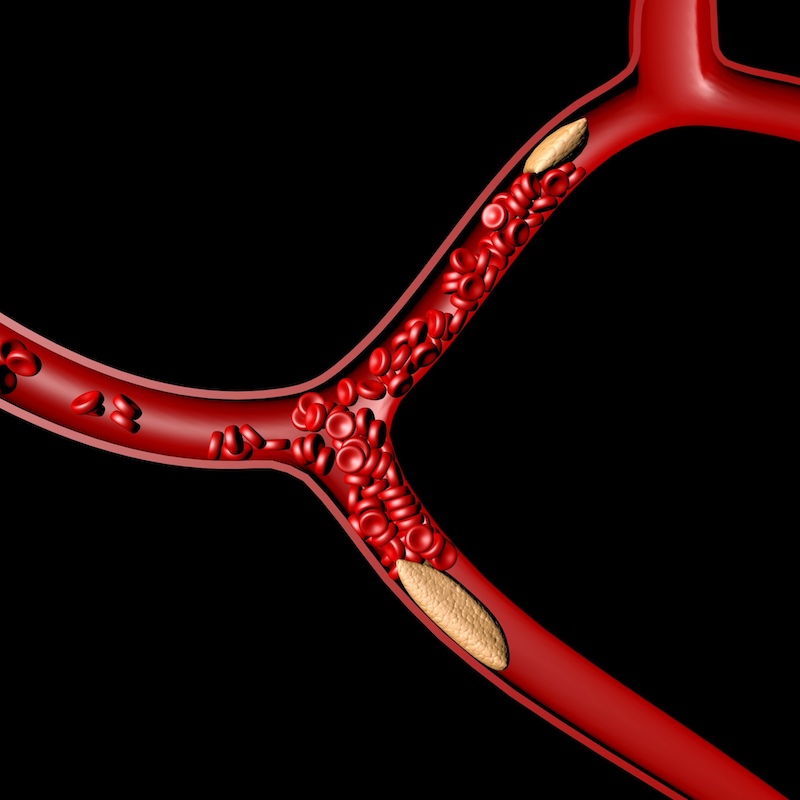
Through an incision in the neck, the carotid artery is opened and the plaque lining its wall is carefully removed, restoring a smooth inner surface and improving blood flow to the brain.
The artery is closed, often with a patch to widen it and reduce the chance of re-narrowing, and the incision is repaired.
It is one of the most studied operations in vascular surgery, with long-term clinical evidence supporting its use in selected patients to reduce stroke risk.
Endarterectomy is generally considered for patients with significant symptomatic carotid stenosis or asymptomatic stenosis meeting criteria for intervention. Dr. Rayan determines suitability based on the degree of narrowing, symptoms, anatomy, and overall health.
Compared with stenting, endarterectomy directly removes the plaque and does not place a foreign body in the artery. The choice between the two depends on your individual circumstances.
Conditions Treated
What This Procedure Treats
- Significant carotid artery stenosis causing stroke risk
- Selected patients who have had a TIA or minor stroke from carotid disease
- Patients whose anatomy makes stenting less suitable
Who May Be a Candidate
Candidates have significant carotid stenosis confirmed on imaging. The decision between endarterectomy, TCAR, and medical management depends on the degree of narrowing, symptom status, anatomy, and overall health.
The Procedure
How It Works
- 1
An incision is made along the side of the neck.
- 2
The carotid artery is clamped, sometimes with a temporary bypass shunt to maintain brain blood flow.
- 3
The artery is opened and the plaque is removed.
- 4
The artery is closed, often with a patch, and the incision is repaired.
Preparation
Preparing for Your Procedure
- You will receive instructions about medications, especially blood thinners.
- Imaging and preoperative testing are completed beforehand.
- Arrange a ride home and plan for a short hospital stay.
- Follow any fasting instructions you are given.
Anesthesia & Setting
Carotid endarterectomy is performed in an operating room, usually under general or regional anesthesia. Most patients stay one night in the hospital.
Recovery
What to Expect Afterward
- Most patients go home the next day.
- The neck incision heals within one to two weeks.
- Normal activities usually resume within a few weeks; driving is typically allowed once cleared.
- You will take antiplatelet medication as prescribed and attend follow-up visits.
- Report any weakness, numbness, or speech changes immediately.
Benefits
Potential Benefits
- Directly removes the plaque from the artery
- Long track record with extensive clinical evidence
- Durable long-term results in appropriately selected patients
- No stent or foreign material left in the artery
Risks
Risks & Complications
- Stroke during or after the procedure (risk is low but real)
- Nerve injury affecting the voice, tongue, or facial movement (usually temporary)
- Bleeding or hematoma in the neck
- Heart attack or other cardiovascular events (rare)
- Re-narrowing over time
Alternatives
Alternative Treatments
Alternatives include medical management alone and TCAR (transcarotid artery revascularization). The right choice depends on your anatomy, symptoms, and overall health, and is made after a detailed discussion.
Follow-Up
Follow-Up Care
Follow-up visits and periodic carotid ultrasound monitor the artery. Continued medical therapy and risk-factor management are part of long-term care.
Insurance
Insurance Questions
Carotid endarterectomy for appropriate indications is covered by insurance. Our office will help verify your benefits.
FAQs
Frequently Asked Questions
Related Conditions
Medical content note: This page provides general educational information and is not individualized medical advice. Content is prepared for review by Dr. Rayan before clinical publication. If you have symptoms that concern you, please contact our office — and call 911 in an emergency.
Your Vascular Health Deserves Experienced, Personalized Care.
Take the next step toward understanding your vascular health. Contact our Encinitas office to discuss scheduling an evaluation.