
Vein Conditions
Deep Vein Thrombosis
Deep vein thrombosis (DVT) is a blood clot in a deep vein, most often in the leg. It requires prompt medical evaluation because clots can travel to the lungs and cause a pulmonary embolism.
Understanding the Condition
What Is Deep Vein Thrombosis?
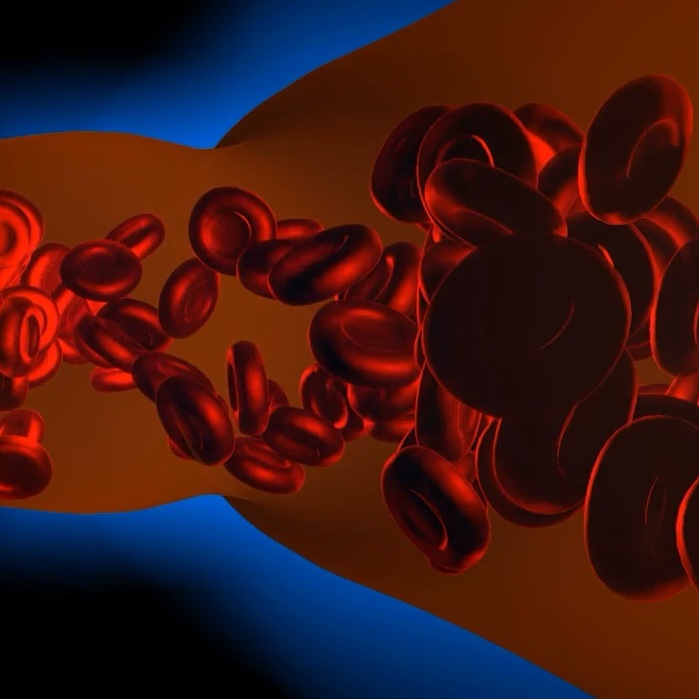
DVT occurs when a blood clot forms in a deep vein — usually in the calf or thigh. It can cause leg pain and swelling, and it can damage the vein valves that normally keep blood flowing.
The most serious risk is pulmonary embolism (PE), when part of the clot breaks off and travels to the lungs. PE can be life-threatening.
Some patients develop post-thrombotic syndrome after a DVT — chronic swelling, pain, and skin changes caused by long-term vein damage.
Vascular Anatomy
Relevant Anatomy
The deep veins of the leg — including the femoral, popliteal, and tibial veins — carry most of the blood back to the heart. Clots in these veins are more significant than clots in surface veins, though surface clots can sometimes extend into the deep system.
Symptoms
Common Symptoms
- Swelling of one leg (sometimes both)
- Pain or tenderness, often in the calf
- Warmth and redness over the affected area
- Visible surface veins
- Sometimes no noticeable symptoms
Emergency Warning Signs
- Sudden shortness of breath, chest pain, coughing up blood, or fainting may indicate pulmonary embolism — call 911 immediately.
Causes & Risk Factors
Possible Causes
- Prolonged immobility (surgery, hospitalization, long travel)
- Recent surgery or major injury
- Cancer and some cancer treatments
- Pregnancy and estrogen-containing medications
- Inherited clotting disorders
- Obesity
- Prior DVT
When to Seek Evaluation
If you have unexplained swelling or pain in one leg, contact your physician promptly for evaluation. New, significant symptoms warrant same-day or urgent evaluation.
Diagnosis
How It's Diagnosed
- Duplex ultrasound of the leg veins — the standard test for DVT
- D-dimer blood test when appropriate
- CT pulmonary angiography if pulmonary embolism is suspected
Treatment Options
Treatment & Management
Anticoagulation (blood thinners)
The mainstay of DVT treatment, typically for a duration determined by your physician.
Compression therapy
Compression stockings may help manage symptoms and reduce post-thrombotic changes.
Catheter-directed thrombolysis or thrombectomy
In selected severe cases, catheter-based procedures can dissolve or remove clot.
IVC filter
Rarely, a filter is placed in the large abdominal vein when blood thinners cannot be used.
Our Approach
How Dr. Rayan Approaches Evaluation
Dr. Rayan evaluates suspected DVT with duplex ultrasound and coordinates anticoagulation management with your other physicians. For selected patients with extensive clot or severe post-thrombotic symptoms, catheter-based treatment options are discussed.
FAQs
Frequently Asked Questions
Related Treatments
Educational Resources
Explore more articles in our vascular health education center.
Medical content note: This page provides general educational information and is not individualized medical advice. Content is prepared for review by Dr. Rayan before clinical publication. If you have symptoms that concern you, please contact our office — and call 911 in an emergency.
Your Vascular Health Deserves Experienced, Personalized Care.
Take the next step toward understanding your vascular health. Contact our Encinitas office to discuss scheduling an evaluation.