
Artery Treatments
Endovascular Aneurysm Repair (EVAR)
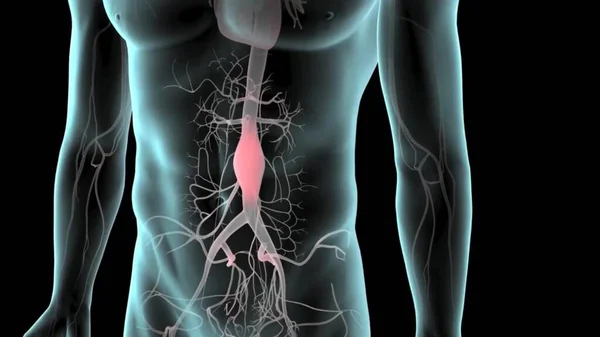
EVAR is a minimally invasive repair of an abdominal aortic aneurysm using a stent graft delivered through the arteries — avoiding open abdominal surgery.
Procedure Overview
Understanding Endovascular Aneurysm Repair (EVAR)
A stent graft — a fabric tube supported by a metal frame — is delivered through small incisions in the groin and positioned inside the aneurysm under X-ray guidance.
The graft seals off the aneurysm from blood flow, so pressure on the weakened artery wall is relieved and the risk of rupture is reduced.
The aneurysm sac typically shrinks over time as it is excluded from circulation, confirming successful treatment.
EVAR avoids the large abdominal incision of open repair, which usually means a shorter hospital stay and faster initial recovery. However, EVAR requires suitable anatomy — including an adequate length of healthy artery above and below the aneurysm for the graft to seal.
CT angiography determines whether your aneurysm is suitable for EVAR. Some aneurysms require open surgery instead, and Dr. Rayan discusses which approach fits your anatomy and health.
Conditions Treated
What This Procedure Treats
- Abdominal aortic aneurysms meeting criteria for repair
- Selected aneurysms with anatomy suitable for a stent graft
Who May Be a Candidate
Candidates have an aneurysm large enough or growing fast enough to warrant repair, and anatomy suitable for a stent graft (adequate neck length and artery access). CT angiography determines suitability. Some aneurysms require open surgery instead, and Dr. Rayan will discuss which approach fits your situation.
The Procedure
How It Works
- 1
CT angiography maps the aneurysm and a detailed planning process sizes the graft.
- 2
Small incisions in the groin provide access to the arteries.
- 3
The stent graft is guided through the arteries and deployed inside the aneurysm.
- 4
Imaging confirms the graft is well positioned and the aneurysm is excluded from blood flow.
Preparation
Preparing for Your Procedure
- CT angiography and detailed graft planning are completed beforehand.
- You will receive instructions about medications, especially blood thinners.
- Arrange a ride home and plan for a short hospital stay.
- Follow any fasting instructions you are given.
Anesthesia & Setting
EVAR is performed in a hybrid operating room, usually under general or regional anesthesia. Most patients stay one to two nights in the hospital.
Recovery
What to Expect Afterward
- Most patients go home within one to two days.
- Groin incisions heal within one to two weeks.
- Normal activities usually resume within a few weeks.
- Lifelong surveillance imaging (typically annual) confirms the graft continues to seal the aneurysm and watches for endoleak.
- Report any back or abdominal pain, or leg changes, immediately.
Benefits
Potential Benefits
- Avoids open abdominal surgery
- Smaller incisions and shorter hospital stay
- Faster recovery than open repair
- Effective exclusion of the aneurysm in suitable anatomy
Risks
Risks & Complications
- Endoleak — blood flow persisting around the graft, requiring monitoring or repair
- Graft migration or infection (rare)
- Kidney effects from contrast dye
- Bleeding or groin complications
- Need for secondary procedures over time
Alternatives
Alternative Treatments
Alternatives include continued surveillance for smaller aneurysms and open surgical repair for aneurysms not suitable for endovascular treatment. Dr. Rayan will discuss which approach fits your anatomy and health.
Follow-Up
Follow-Up Care
Lifelong surveillance with CT or ultrasound at regular intervals is essential after EVAR to confirm the graft is functioning and no endoleak has developed.
Insurance
Insurance Questions
EVAR for aneurysms meeting repair criteria is covered by insurance. Our office will help verify your benefits.
FAQs
Frequently Asked Questions
Related Conditions
Medical content note: This page provides general educational information and is not individualized medical advice. Content is prepared for review by Dr. Rayan before clinical publication. If you have symptoms that concern you, please contact our office — and call 911 in an emergency.
Your Vascular Health Deserves Experienced, Personalized Care.
Take the next step toward understanding your vascular health. Contact our Encinitas office to discuss scheduling an evaluation.