
Artery Conditions
Abdominal Aortic Aneurysm
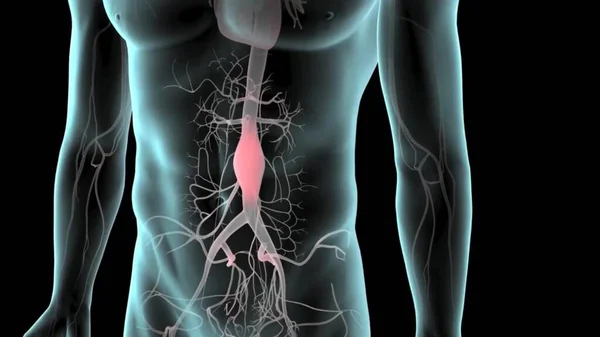
An abdominal aortic aneurysm (AAA) is a weakening and bulging of the aorta, the body's main artery, in the abdomen. Most aneurysms cause no symptoms and are found on imaging done for other reasons.
Understanding the Condition
What Is Abdominal Aortic Aneurysm?
The aorta is the largest artery in the body. When its wall weakens, it can gradually enlarge into an aneurysm. Larger aneurysms carry a higher risk of rupture.
Most AAAs cause no symptoms and are discovered incidentally on ultrasound or CT scans, or through screening in at-risk patients.
Management depends on the size and growth rate: small aneurysms are monitored with periodic imaging, while larger ones may be repaired electively before they become dangerous.
Vascular Anatomy
Relevant Anatomy
The abdominal aorta runs from the diaphragm to the pelvis, supplying the intestines, kidneys, and legs. Aneurysms most commonly form below the arteries to the kidneys.
Symptoms
Common Symptoms
- Usually none — most aneurysms are found on imaging
- Deep, steady pain in the abdomen, side, or back in some patients
- A pulsating feeling near the navel
Emergency Warning Signs
- Sudden severe, tearing pain in the abdomen or back with weakness, sweating, or fainting may indicate a ruptured aneurysm — call 911 immediately.
Causes & Risk Factors
Possible Causes
- Age over 65
- Male sex (higher prevalence)
- Smoking — the strongest modifiable risk factor
- Family history of aneurysms
- High blood pressure
When to Seek Evaluation
If you have risk factors for aneurysm — especially age over 65 with a smoking history or a family history — ask your physician about screening. If an aneurysm has been found, regular surveillance imaging is essential.
Diagnosis
How It's Diagnosed
- Abdominal ultrasound — the standard screening and surveillance test
- CT angiography for detailed sizing and treatment planning
- Periodic imaging to track growth over time
Treatment Options
Treatment & Management
Surveillance
Small aneurysms are monitored with periodic ultrasound or CT at intervals based on size.
Risk-factor management
Smoking cessation, blood pressure control, and appropriate medical therapy slow aneurysm growth.
EVAR (endovascular aneurysm repair)
Learn More →A minimally invasive repair using a stent graft delivered through the arteries.
Open surgical repair
Traditional open repair for aneurysms not suitable for endovascular treatment.
Our Approach
How Dr. Rayan Approaches Evaluation
Dr. Rayan measures the aneurysm, tracks its growth, and reviews your overall health to determine whether surveillance or repair is appropriate. When repair is indicated, he discusses both endovascular and open options and which best fits your anatomy.
FAQs
Frequently Asked Questions
Related Treatments
Educational Resources
Explore more articles in our vascular health education center.
Medical content note: This page provides general educational information and is not individualized medical advice. Content is prepared for review by Dr. Rayan before clinical publication. If you have symptoms that concern you, please contact our office — and call 911 in an emergency.
Your Vascular Health Deserves Experienced, Personalized Care.
Take the next step toward understanding your vascular health. Contact our Encinitas office to discuss scheduling an evaluation.