
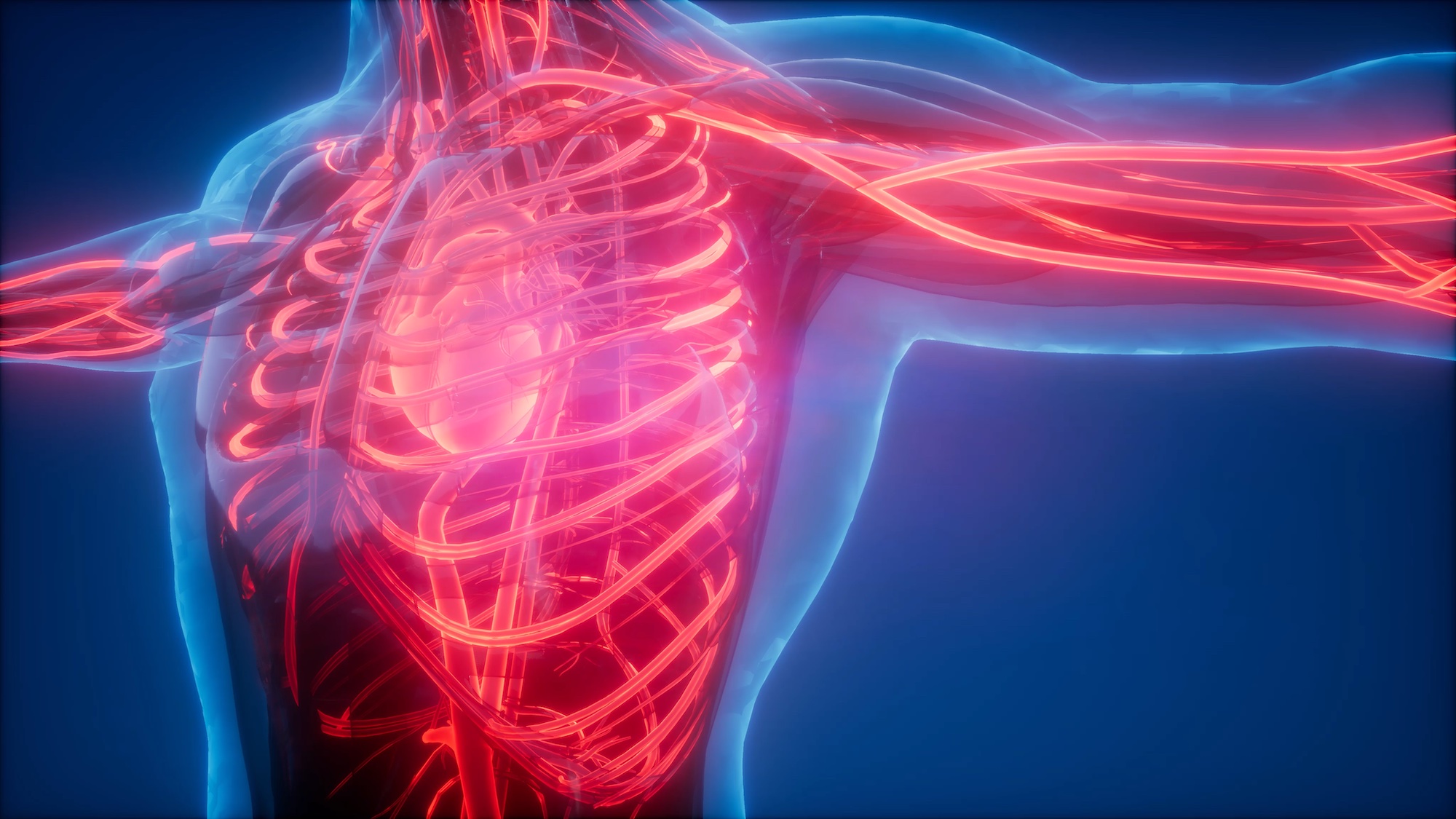
Artery Treatments
Angioplasty and Stenting
Angioplasty and stenting are catheter-based procedures that open narrowed or blocked arteries from the inside — restoring blood flow without open surgery.
Procedure Overview
Understanding Angioplasty and Stenting
Angioplasty and stenting treat peripheral arterial disease by opening narrowed or blocked arteries from within, using catheters guided under X-ray imaging rather than surgical incisions.
A thin catheter is guided through the artery to the site of narrowing, usually through a puncture in the groin or wrist. A balloon at the catheter tip is inflated to compress plaque and widen the artery (angioplasty).
In many cases, a small mesh tube (stent) is placed to hold the artery open. The stent remains in place permanently and helps resist re-narrowing.
The procedure is performed under imaging guidance, often with sedation or local anesthesia, and most patients go home the same day or after a short overnight stay.
While less invasive than open bypass surgery, angioplasty and stenting are not appropriate for every blockage. Long or complex narrowings, complete occlusions, or certain artery locations may be better treated with surgery. Dr. Rayan determines the best approach based on your imaging and overall health.
Conditions Treated
What This Procedure Treats
- Peripheral arterial disease causing claudication or limb-threatening ischemia
- Narrowed or blocked iliac, femoral, popliteal, or tibial arteries
- Dialysis access stenosis
- Selected venous obstructions
Who May Be a Candidate
Candidates have significant arterial narrowing confirmed on imaging and symptoms or wounds that warrant revascularization. The location, length, and character of the blockage determine whether angioplasty, stenting, or surgery is the better option. Dr. Rayan reviews your CT angiogram or ultrasound to determine suitability and discusses the expected benefits and risks for your specific anatomy.
The Procedure
How It Works
- 1
Imaging (CT or catheter angiography) maps the blockage and plans the approach.
- 2
A catheter is advanced to the blockage through a small arterial puncture, usually in the groin or wrist.
- 3
The balloon is inflated to open the artery, and a stent is placed if needed to hold it open.
- 4
Imaging confirms restored blood flow, and the puncture site is closed with pressure or a closure device.
Preparation
Preparing for Your Procedure
- You will receive instructions about medications, especially blood thinners and diabetes medications.
- Blood tests and kidney function checks are performed beforehand because contrast dye is used during the procedure.
- Arrange a ride home, as you should not drive the same day.
- Stay hydrated and follow any fasting instructions you are given.
Anesthesia & Setting
Angioplasty and stenting are performed in a catheterization lab or hybrid operating room. Most patients go home the same day or the next day.
Recovery
What to Expect Afterward
- You will rest with the leg straight for several hours after the puncture to prevent bleeding.
- Most patients walk the same day or the next day and resume normal activities within days.
- Dr. Rayan will discuss activity restrictions and schedule follow-up imaging.
- Ongoing medical therapy — antiplatelet medication, cholesterol control, and smoking cessation — is essential to protect the result and prevent progression of disease.
- Watch for bleeding, increasing pain, or changes in leg color or temperature and contact the office promptly if they occur.
Benefits
Potential Benefits
- Restores blood flow without open surgery
- Small puncture instead of a surgical incision
- Shorter hospital stay and recovery compared with open bypass
- Can be repeated or combined with other treatments if disease progresses
- Improves walking distance and symptoms of claudication in suitable patients
Risks
Risks & Complications
- Bleeding or bruising at the puncture site
- Damage to the artery, including dissection or perforation (rare)
- Re-narrowing (restenosis) over time
- Kidney effects from contrast dye
- Clot or debris traveling downstream (rare)
- Infection (rare)
Alternatives
Alternative Treatments
Alternatives include medical management and supervised exercise therapy, open bypass surgery for extensive blockages, and, for selected patients, drug-coated balloon angioplasty. Dr. Rayan will discuss which approach fits your anatomy and overall health.
Follow-Up
Follow-Up Care
Regular follow-up with duplex ultrasound monitors the treated artery for re-narrowing. Lifelong risk-factor management is part of the treatment plan, and any return of symptoms should prompt a visit.
Insurance
Insurance Questions
Revascularization for documented peripheral arterial disease is generally covered by insurance when medical necessity criteria are met. Our office will help verify your benefits.
FAQs
Frequently Asked Questions
Related Conditions
Medical content note: This page provides general educational information and is not individualized medical advice. Content is prepared for review by Dr. Rayan before clinical publication. If you have symptoms that concern you, please contact our office — and call 911 in an emergency.
Your Vascular Health Deserves Experienced, Personalized Care.
Take the next step toward understanding your vascular health. Contact our Encinitas office to discuss scheduling an evaluation.