
Artery Conditions
Carotid Artery Disease
Carotid artery disease is narrowing of the arteries in the neck that supply the brain. It is a leading cause of stroke, and treatment focuses on reducing that risk.
Understanding the Condition
What Is Carotid Artery Disease?
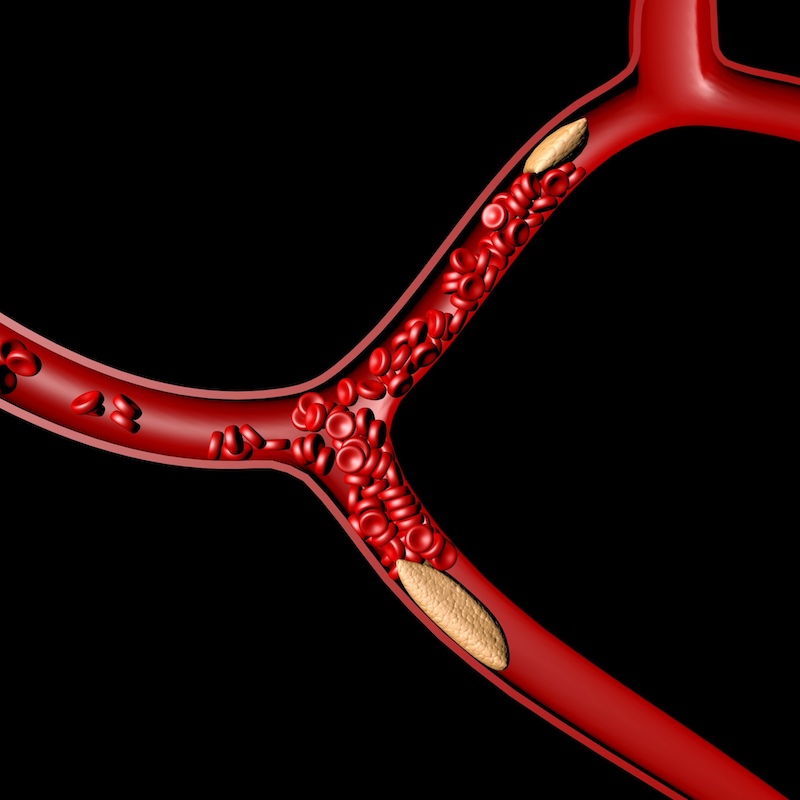
The carotid arteries carry blood from the heart to the brain. Plaque buildup can narrow them, and pieces of plaque or clot can travel to the brain and cause a stroke or transient ischemic attack (TIA).
Many people with carotid narrowing have no symptoms until a TIA or stroke occurs, which is why carotid disease is often discovered on ultrasound performed for other reasons.
Treatment depends on the degree of narrowing, whether symptoms have occurred, and individual patient factors.
Vascular Anatomy
Relevant Anatomy
Each side of the neck has a common carotid artery that divides into the internal carotid (supplying the brain) and the external carotid (supplying the face and scalp). Most disease occurs at the bifurcation, where the artery divides.
Symptoms
Common Symptoms
- Often no symptoms until a TIA or stroke
- Sudden weakness or numbness on one side of the body
- Sudden difficulty speaking or understanding speech
- Sudden vision loss in one eye or double vision
- Dizziness or loss of balance
Emergency Warning Signs
- Any of these symptoms — even if they resolve — may be a TIA or stroke. Call 911 immediately and note the time symptoms started.
Causes & Risk Factors
Possible Causes
- Smoking
- High blood pressure
- High cholesterol
- Diabetes
- Age over 65
- Family history of stroke or vascular disease
- Known coronary artery disease
When to Seek Evaluation
If you have had a TIA or stroke, or if carotid narrowing was found on imaging, a vascular surgery evaluation can determine whether medical management, TCAR, or carotid endarterectomy is the appropriate strategy for you.
Diagnosis
How It's Diagnosed
- Duplex ultrasound of the carotid arteries to measure the degree of narrowing
- CT or MR angiography for detailed anatomic planning
- Neurologic evaluation, often coordinated with your primary care physician or neurologist
Treatment Options
Treatment & Management
Medical management
Antiplatelet therapy, cholesterol management, blood pressure control, and smoking cessation reduce stroke risk.
TCAR (transcarotid artery revascularization)
Learn More →A minimally invasive stenting approach with flow reversal to protect the brain during the procedure.
Carotid endarterectomy
Learn More →The traditional open operation to remove plaque from the carotid artery.
Our Approach
How Dr. Rayan Approaches Evaluation
Dr. Rayan evaluates the degree of stenosis, your symptom history, and your overall health, then discusses the appropriate strategy — which for many patients is medical management alone, and for others is revascularization with TCAR or open surgery.
FAQs
Frequently Asked Questions
Related Treatments
Educational Resources
Explore more articles in our vascular health education center.
Medical content note: This page provides general educational information and is not individualized medical advice. Content is prepared for review by Dr. Rayan before clinical publication. If you have symptoms that concern you, please contact our office — and call 911 in an emergency.
Your Vascular Health Deserves Experienced, Personalized Care.
Take the next step toward understanding your vascular health. Contact our Encinitas office to discuss scheduling an evaluation.