Vein Conditions
Varicose Veins
Varicose veins are enlarged, twisted veins — most often in the legs — that can ache, feel heavy, or cause swelling. Treatment options range from conservative measures to minimally invasive procedures.
Understanding the Condition
What Is Varicose Veins?
Varicose veins are veins that have become enlarged, stretched, and twisted as blood pools inside them. They most commonly appear in the legs and may bulge visibly through the skin.
They often develop when one-way valves inside the veins stop working properly — a condition called venous insufficiency. Blood then flows backward and collects in the vein.
Varicose veins are common and are not always a serious health problem, but they can cause discomfort and, in some cases, lead to skin changes, swelling, or ulcers if left untreated.
Vascular Anatomy
Relevant Anatomy
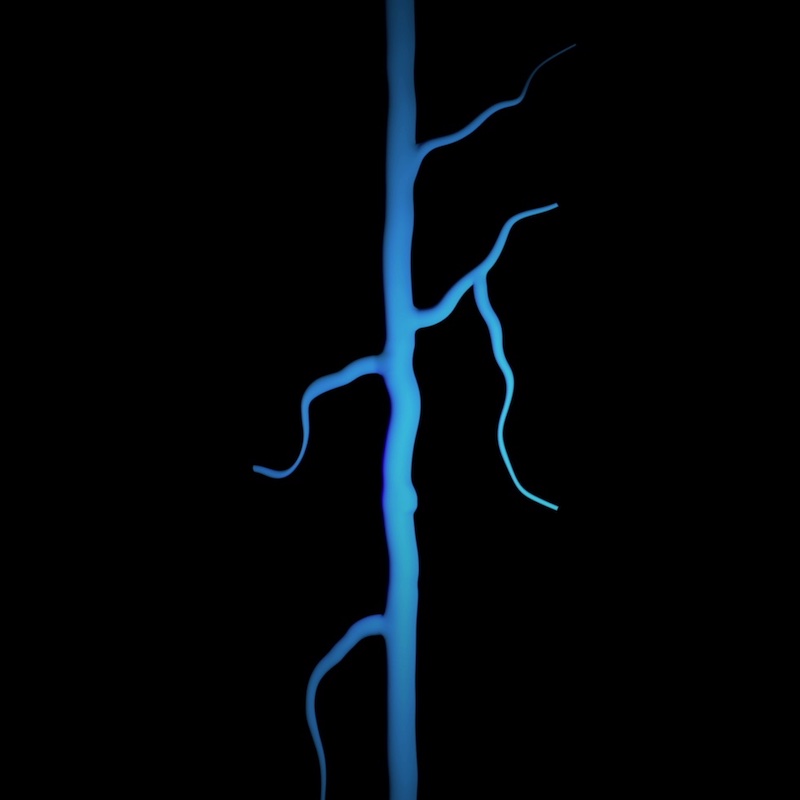
Leg veins carry blood back to the heart against gravity, relying on one-way valves and the calf muscle pump. When valves in the superficial veins (such as the great saphenous vein) fail, pressure builds in the vein network beneath the skin, causing veins to enlarge and become visible.
Symptoms
Common Symptoms
- Visible bulging, twisted veins, often blue or purple
- Aching, heaviness, or throbbing in the legs
- Swelling, especially after long periods of standing
- Itching or burning over the vein
- Leg fatigue that worsens through the day
- Skin changes or, in advanced cases, ulcers near the ankle
Causes & Risk Factors
Possible Causes
- Family history of varicose veins
- Pregnancy and hormonal changes
- Increasing age
- Prolonged standing or sitting
- Obesity
- A history of deep vein thrombosis (DVT)
When to Seek Evaluation
If varicose veins cause aching, heaviness, swelling, skin changes, or interfere with your daily activities, an evaluation can identify the underlying cause and the options available to you.
Diagnosis
How It's Diagnosed
- A detailed history and physical examination of the legs
- Duplex ultrasound to map blood flow and identify valve leakage (reflux)
- Review of symptoms, lifestyle factors, and prior treatments
Treatment Options
Treatment & Management
Conservative management
Compression stockings, leg elevation, exercise, and lifestyle measures.
Endovenous laser ablation
Learn More →A catheter-based procedure that closes the leaking vein from the inside.
VenaSeal
Learn More →A medical adhesive that seals the treated vein.
Varithena
Learn More →A foam medication injected into the vein to close it.
Sclerotherapy
Learn More →Often used for smaller varicose and spider veins.
Ambulatory phlebectomy
Learn More →Removal of larger surface varicose veins through tiny incisions.
Our Approach
How Dr. Rayan Approaches Evaluation
At our Encinitas office, evaluation begins with a conversation about your symptoms and a duplex ultrasound to find the underlying cause. Dr. Rayan then discusses all appropriate options — including conservative measures — so treatment is matched to your condition and goals.
FAQs
Frequently Asked Questions
Educational Resources
Explore more articles in our vascular health education center.
Medical content note: This page provides general educational information and is not individualized medical advice. Content is prepared for review by Dr. Rayan before clinical publication. If you have symptoms that concern you, please contact our office — and call 911 in an emergency.
Your Vascular Health Deserves Experienced, Personalized Care.
Take the next step toward understanding your vascular health. Contact our Encinitas office to discuss scheduling an evaluation.